Payback
Overview
Payback is a board game designed to build financial literacy through investing, budgeting, and asset-building concepts like fixed deposits, stocks, and bonds.
My Role
Product and visual designer
Scope
Game mechanics, illustration,
Timeline
4 weeks
Setting the context
In India, a significant portion of the population lacks financial awareness. This low level of financial literacy can lead to poor financial decisions, limited access to financial services, and increased vulnerability to financial crises, making it imperative to prioritize financial education initiatives.




Understanding the need of the hour
In a dynamic economy, it's crucial to equip young learners with financial knowledge to make informed decisions.
In India, RBI reports, that only
27% of of India’s population is financially literate.

What India has to say
A collection of newspaper cutouts highlighting the conversation around financial literacy in India.


Why financial literacy matters for students?
Prepares students for independent living as they begin managing money on their own between the ages of 15-20.
Builds awareness of common financial scams enabling students to make safer and more informed financial decisions.
Develops smart budgeting and investment habits for long-term financial well-being.
Encourages an entrepreneurial mindset by building confidence in managing money and taking financial initiative.
Initiatives taken by the country

Comics & Booklets
RBI and SEBI offer personal finance resources, but poor positioning and outdated design make them easy to overlook.

Games
Most finance games focus on just one aspect of finance, like real estate, or don’t reflect realistic financial decisions.
Eg: Monopoly, Game of Life.

YouTubers / Influencers
With the influx of new finance advisors and creators, the credibility of financial courses is increasingly questionable.

Posters & Graphics
Distribution is limited, making them easy to overlook. Clear messaging and strong visual treatment are essential.
Eg: RBI & SEBI campaigns

Government Schemes
PMJDY, Atal Pension Yojana, and Stand-Up India have expanded access to formal financial services.

Workshops
Workshops introduce the general public to personal finance basics, but poor attendance and limited distribution reduce their reach.
How might we make financial education more engaging and enjoyable for students?
Education shouldn’t be boring,
make it fun and it becomes unforgettable
Why Gamified Learning?
Gamification increases learner motivation through interactive experiences.

Knowledge Retention
Repeated play reinforces concepts and terminology.

Immersive Learning
Players learn by making decisions within the game.

Challenges & Rewards
Incentives encourage participation and sustained engagement.
Introducing Payback
Payback is a board game we designed to address the issue of inadequate financial literacy for ages 15+. By introducing concepts like fixed deposits, stocks, and bonds, players learn to invest wisely while managing budgets, paying off liabilities, and focusing on asset accumulation.





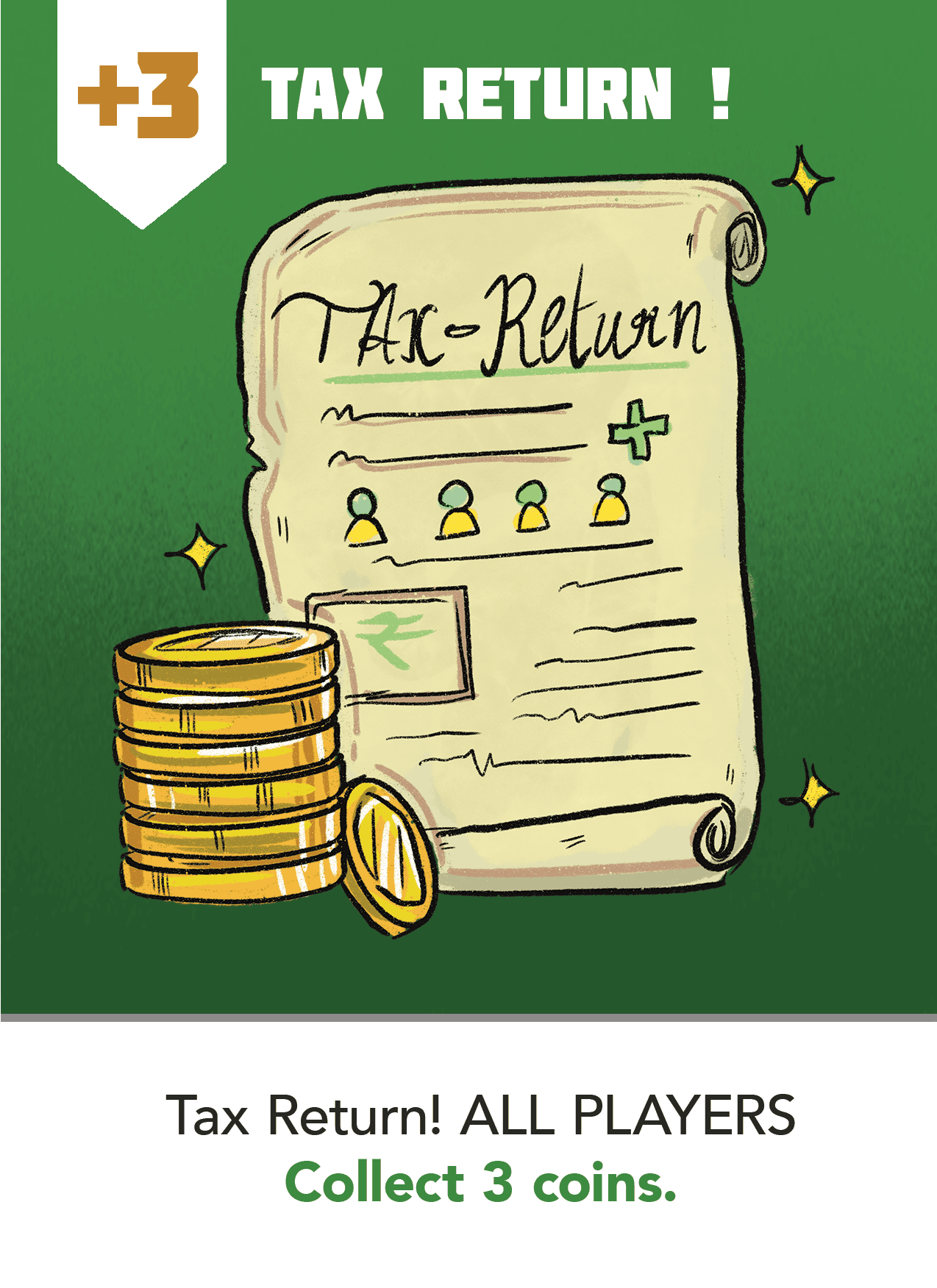


Game Set-Up
Before Starting the game, distribute two liability cards and six coins to each player.
Depending on the number of players playing, set the goal cards in the centre.

How to play?
A quick guide on how the game works

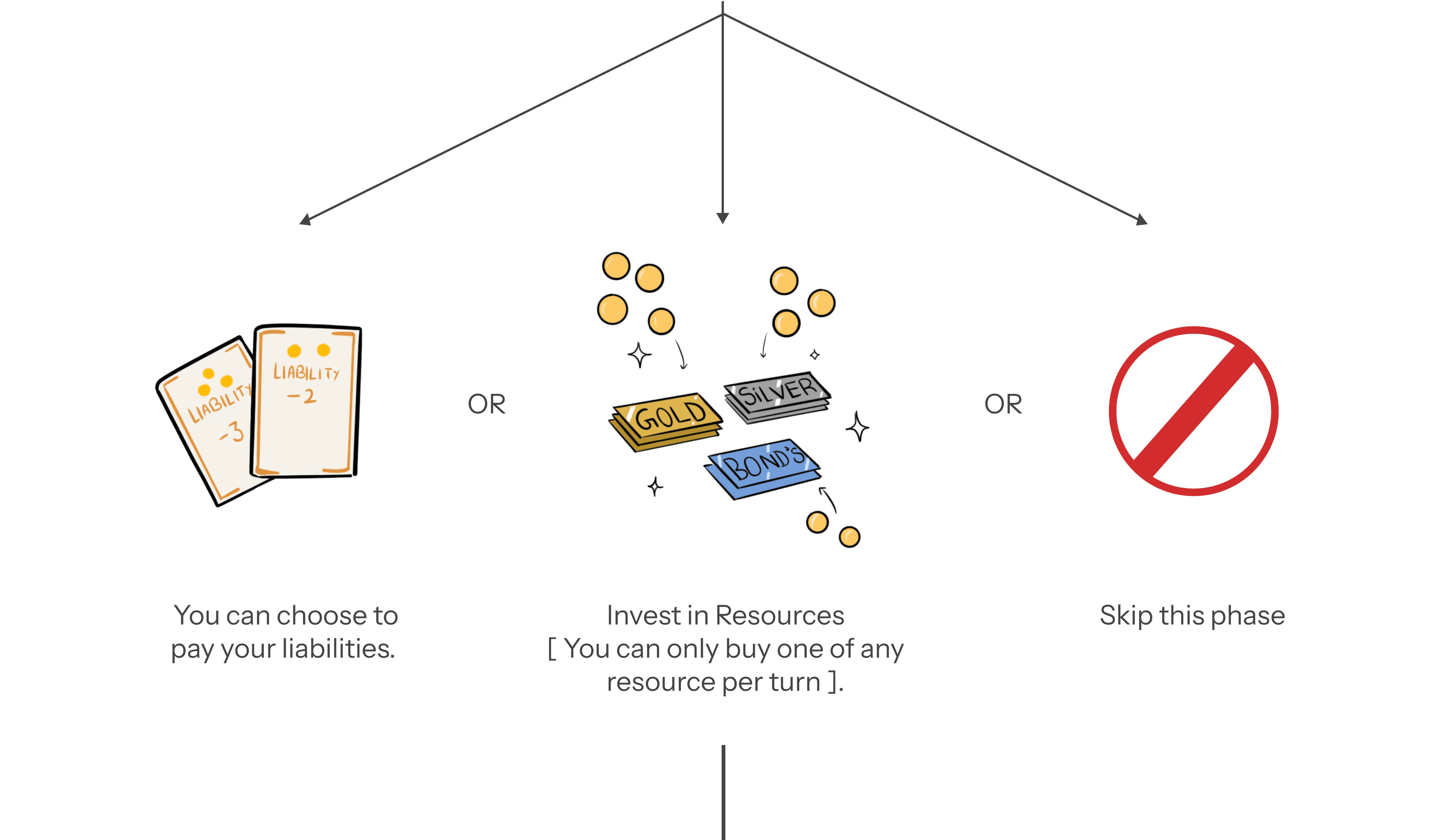


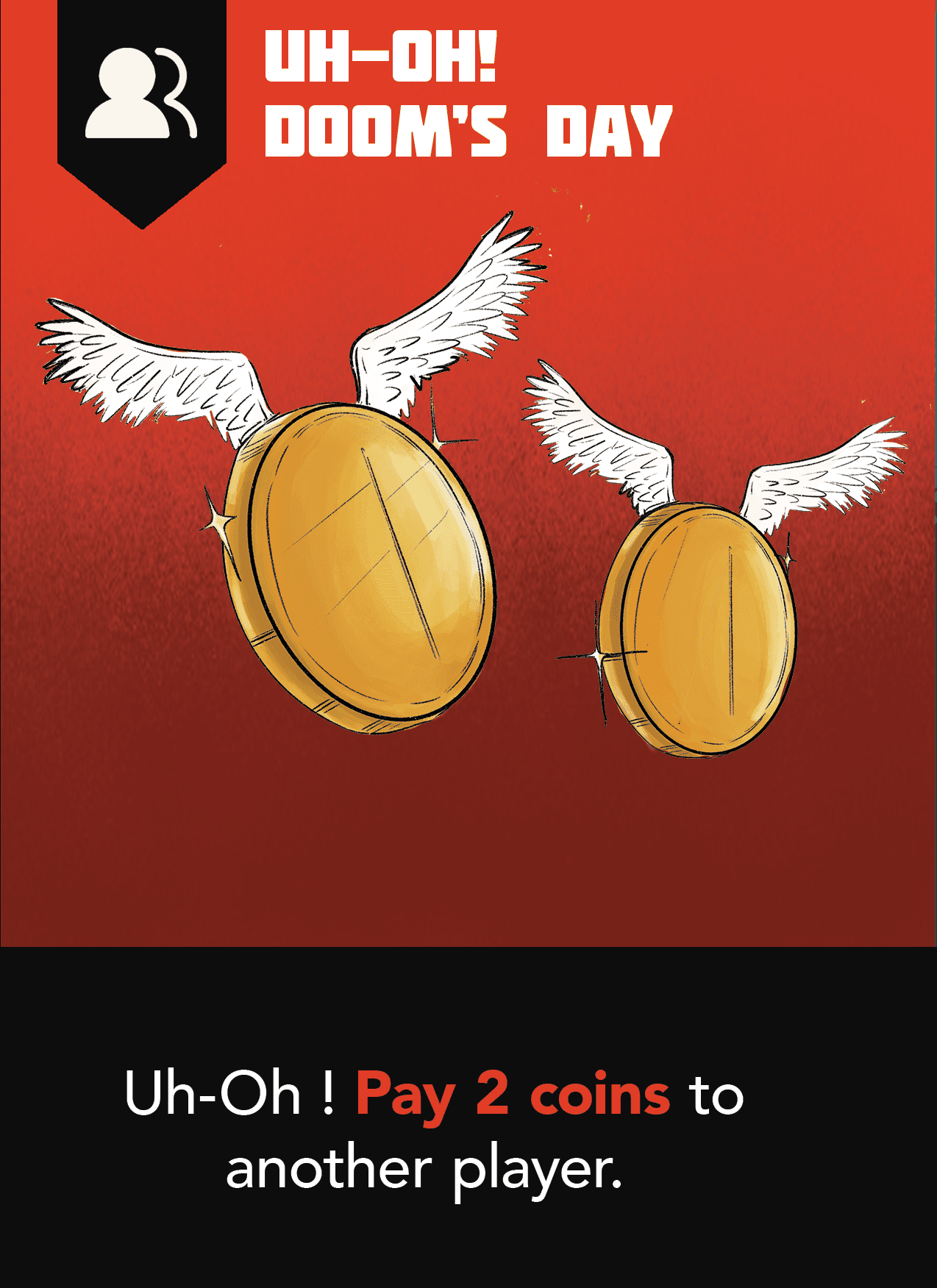


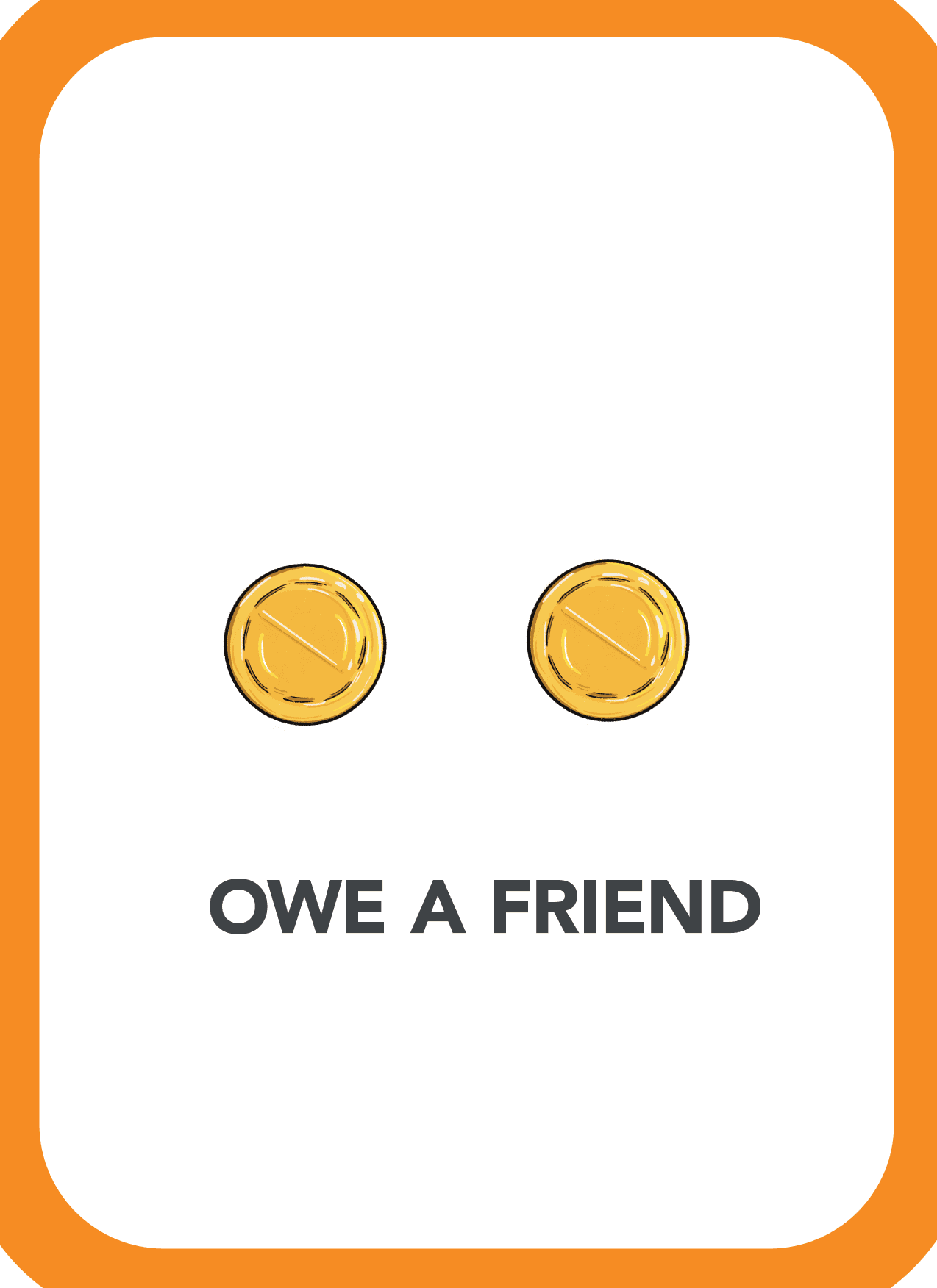
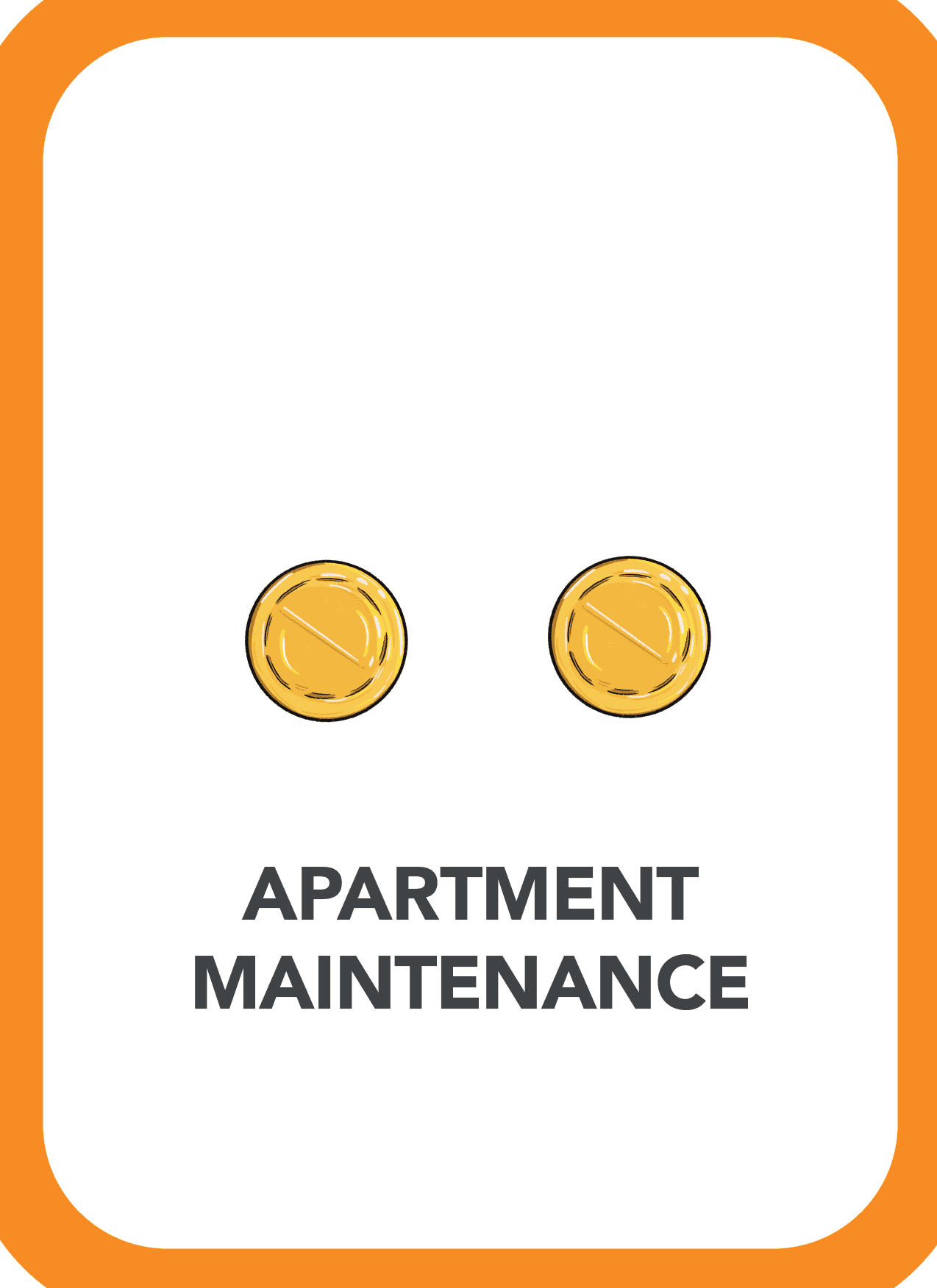


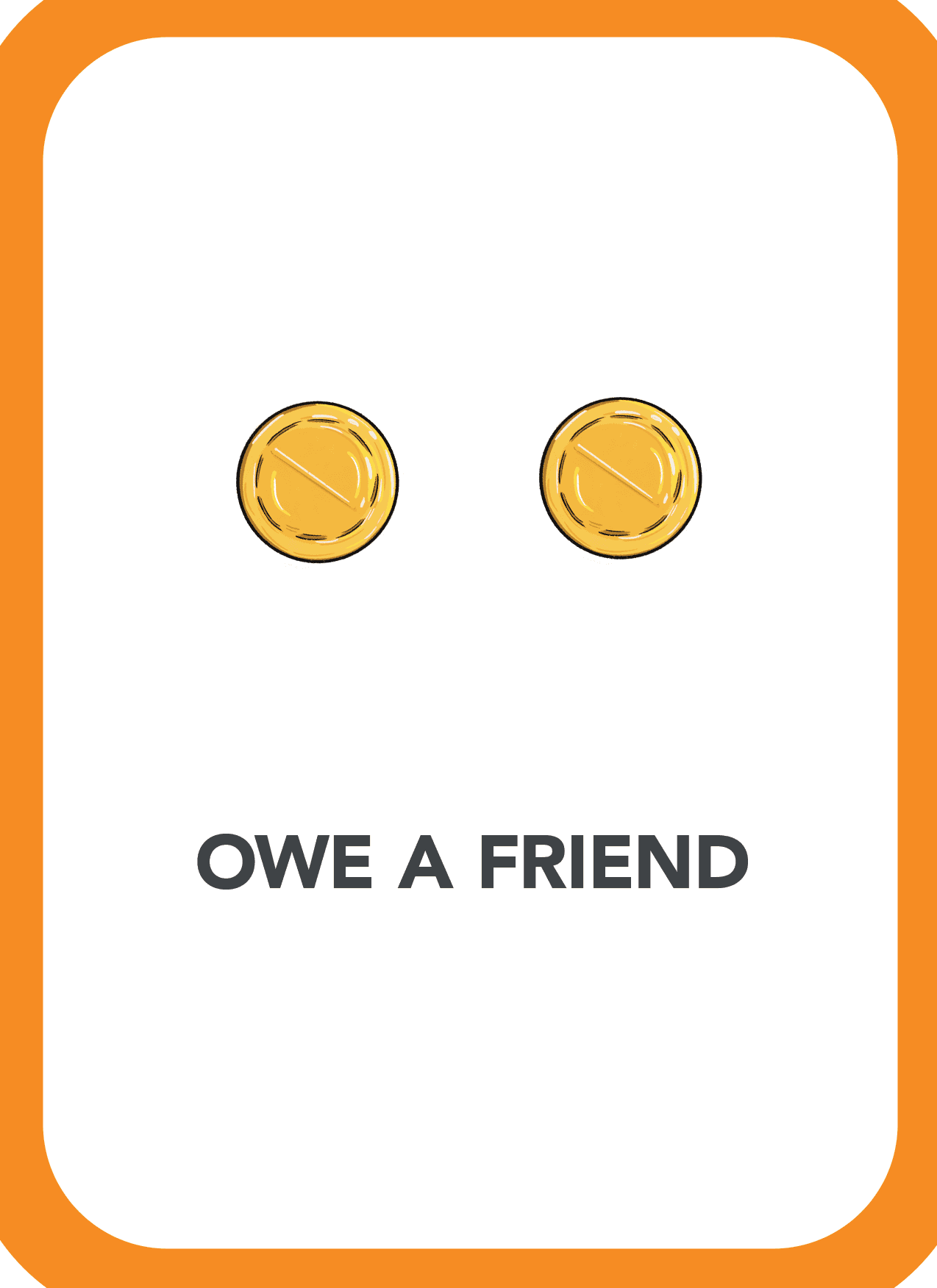








We designed an economy, watched people of different ages exploit/ break/ understand it, and changed the rules until the system taught the behaviour we wanted.

Documented feedback from each round of testing
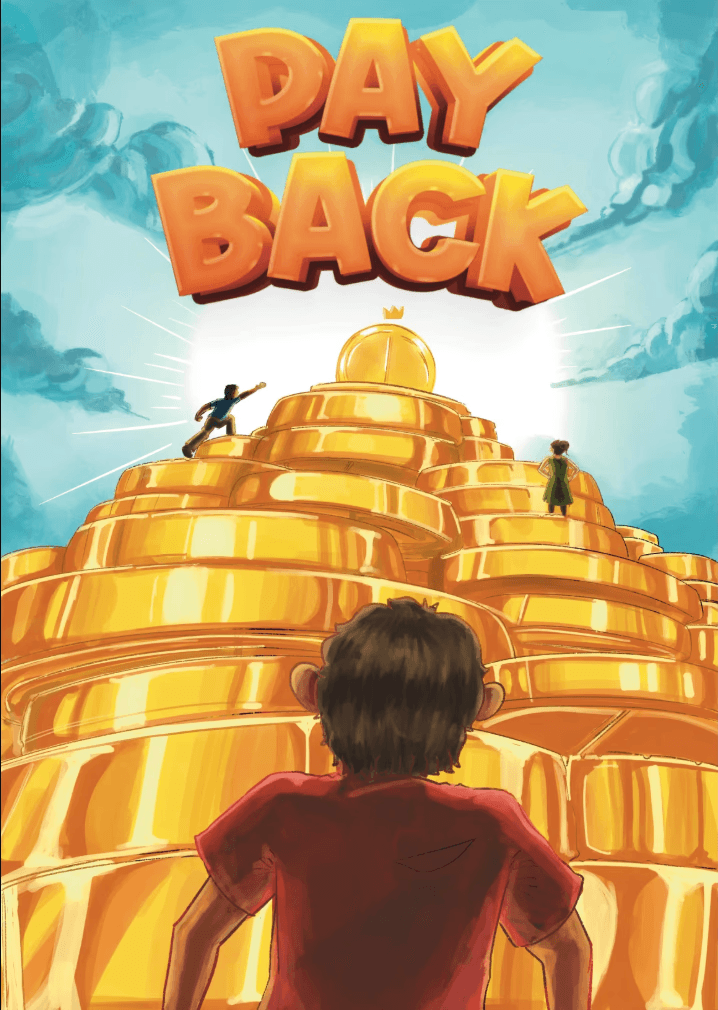
Tap the image below to view the feedback recorded after each round of testing.


What they said about the game:
Budgeting
“I was more careful with my buying decisions when compared to real life”
“The game made me have a good balance between saving spending and investing.”
Credit
“Before playing the game, I thought that credit was bad. But if used wisely, it can be beneficial.”
“Paying off my dues
was satisfying”
Investing
“Since each investment has some kind of bonus, it made me want to put my money into good use and invest rather than saving it in my wallet.”
Payback
Overview
Payback is a board game designed to build financial literacy through investing, budgeting, and asset-building concepts like fixed deposits, stocks, and bonds.
My Role
Product and visual designer
Scope
Game mechanics, illustration,
Timeline
4 weeks
Setting the context
In India, a significant portion of the population lacks financial awareness. This low level of financial literacy can lead to poor financial decisions, limited access to financial services, and increased vulnerability to financial crises, making it imperative to prioritize financial education initiatives.
Understanding the need of the hour
In a dynamic economy, it's crucial to equip young learners with financial knowledge to make informed decisions.
In India, RBI reports, that only
27% of of India’s population is financially literate.
What India has to say
A collection of newspaper cutouts highlighting the conversation around financial literacy in India.
Why financial literacy matters for students?
Prepares students for independent living as they begin managing money on their own between the ages of 15-20.
Builds awareness of common financial scams enabling students to make safer and more informed financial decisions.
Develops smart budgeting and investment habits for long-term financial well-being.
Encourages an entrepreneurial mindset by building confidence in managing money and taking financial initiative.
Initiatives taken by the country
Comics & Booklets
RBI and SEBI offer personal finance resources, but poor positioning and outdated design make them easy to overlook.
Games
Most finance games focus on just one aspect of finance, like real estate, or don’t reflect realistic financial decisions.
Eg: Monopoly, Game of Life.
YouTubers / Influencers
With the influx of new finance advisors and creators, the credibility of financial courses is increasingly questionable.
Posters & Graphics
Distribution is limited, making them easy to overlook. Clear messaging and strong visual treatment are essential.
Eg: RBI & SEBI campaigns
Government Schemes
PMJDY, Atal Pension Yojana, and Stand-Up India have expanded access to formal financial services.
Workshops
Workshops introduce the general public to personal finance basics, but poor attendance and limited distribution reduce their reach.
How might we make financial education more engaging and enjoyable for students?
Education shouldn’t be boring,
make it fun and it becomes unforgettable
Why Gamified Learning?
Gamification increases learner motivation through interactive experiences.
Knowledge Retention
Repeated play reinforces concepts and terminology.
Immersive Learning
Players learn by making decisions within the game.
Challenges & Rewards
Incentives encourage participation and sustained engagement.
Introducing Payback
Payback is a board game we designed to address the issue of inadequate financial literacy for ages 15+. By introducing concepts like fixed deposits, stocks, and bonds, players learn to invest wisely while managing budgets, paying off liabilities, and focusing on asset accumulation.
Game Set-Up
Before Starting the game, distribute two liability cards and six coins to each player.
Depending on the number of players playing, set the goal cards in the centre.
How to play?
A quick guide on how the game works
We designed an economy, watched people of different ages exploit/ break/ understand it, and changed the rules until the system taught the behaviour we wanted.
Documented feedback from each round of testing
Tap the image below to view the feedback recorded after each round of testing.
What they said about the game:
Budgeting
“I was more careful with my buying decisions when compared to real life”
“The game made me have a good balance between saving spending and investing.”
Credit
“Before playing the game, I thought that credit was bad. But if used wisely, it can be beneficial.”
“Paying off my dues
was satisfying”
Investing
“Since each investment has some kind of bonus, it made me want to put my money into good use and invest rather than saving it in my wallet.”
Payback
Overview
Payback is a board game designed to build financial literacy through investing, budgeting, and asset-building concepts like fixed deposits, stocks, and bonds.
My Role
Product and visual designer
Scope
Game mechanics, illustration,
Timeline
4 weeks
Setting the context
In India, a significant portion of the population lacks financial awareness. This low level of financial literacy can lead to poor financial decisions, limited access to financial services, and increased vulnerability to financial crises, making it imperative to prioritize financial education initiatives.
Understanding the need of the hour
In a dynamic economy, it's crucial to equip young learners with financial knowledge to make informed decisions.
In India, RBI reports, that only
27% of of India’s population is financially literate.
What India has to say
A collection of newspaper cutouts highlighting the conversation around financial literacy in India.

Why financial literacy matters for students?
Prepares students for independent living as they begin managing money on their own between the ages of 15-20.
Builds awareness of common financial scams enabling students to make safer and more informed financial decisions.
Develops smart budgeting and investment habits for long-term financial well-being.
Encourages an entrepreneurial mindset by building confidence in managing money and taking financial initiative.
Initiatives taken by the country
Comics & Booklets
RBI and SEBI offer personal finance resources, but poor positioning and outdated design make them easy to overlook.
Games
Most finance games focus on just one aspect of finance, like real estate, or don’t reflect realistic financial decisions.
Eg: Monopoly, Game of Life.
YouTubers / Influencers
With the influx of new finance advisors and creators, the credibility of financial courses is increasingly questionable.
Posters & Graphics
Distribution is limited, making them easy to overlook. Clear messaging and strong visual treatment are essential.
Eg: RBI & SEBI campaigns
Government Schemes
PMJDY, Atal Pension Yojana, and Stand-Up India have expanded access to formal financial services.
Workshops
Workshops introduce the general public to personal finance basics, but poor attendance and limited distribution reduce their reach.
How might we make financial education more engaging and enjoyable for students?
Education shouldn’t be boring, make it fun and it becomes unforgettable
Why Gamified Learning?
Gamification increases learner motivation through interactive experiences.
Knowledge Retention
Repeated play reinforces concepts and terminology.
Immersive Learning
Players learn by making decisions within the game.
Challenges & Rewards
Incentives encourage participation and sustained engagement.
Introducing Payback
Payback is a board game we designed to address the issue of inadequate financial literacy for ages 15+. By introducing concepts like fixed deposits, stocks, and bonds, players learn to invest wisely while managing budgets, paying off liabilities, and focusing on asset accumulation.
Game Set-Up
Before Starting the game, distribute two liability cards and six coins to each player.
Depending on the number of players playing, set the goal cards in the centre.
How to play?
A quick guide on how the game works
We designed an economy, watched people of different ages exploit/ break/ understand it, and changed the rules until the system taught the behaviour we wanted.
Documented feedback from each round of testing
Tap the image below to view the feedback recorded after each round of testing.
What they said about the game:
Budgeting
“I was more careful with my buying decisions when compared to real life”
“The game made me have a good balance between saving spending and investing.”
Credit
“Before playing the game, I thought that credit was bad. But if used wisely, it can be beneficial.”
“Paying off my dues
was satisfying”
Investing
“Since each investment has some kind of bonus, it made me want to put my money into good use and invest rather than saving it in my wallet.”
Payback
Overview
Payback is a board game designed to build financial literacy through investing, budgeting, and asset-building concepts like fixed deposits, stocks, and bonds.
My Role
Product and visual designer
Scope
Game mechanics, illustration,
Timeline
4 weeks
Setting the context
In India, a significant portion of the population lacks financial awareness. This low level of financial literacy can lead to poor financial decisions, limited access to financial services, and increased vulnerability to financial crises, making it imperative to prioritize financial education initiatives.
Understanding the need of the hour
In a dynamic economy, it's crucial to equip young learners with financial knowledge to make informed decisions.
In India, RBI reports, that only
27% of of India’s population is financially literate.
What India has to say
A collection of newspaper cutouts highlighting the conversation around financial literacy in India.
Why financial literacy matters for students?
Prepares students for independent living as they begin managing money on their own between the ages of 15-20.
Builds awareness of common financial scams enabling students to make safer and more informed financial decisions.
Develops smart budgeting and investment habits for long-term financial well-being.
Encourages an entrepreneurial mindset by building confidence in managing money and taking financial initiative.
Initiatives taken by the country
Comics & Booklets
RBI and SEBI offer personal finance resources, but poor positioning and outdated design make them easy to overlook.
Games
Most finance games focus on just one aspect of finance, like real estate, or don’t reflect realistic financial decisions.
Eg: Monopoly, Game of Life.
YouTubers / Influencers
With the influx of new finance advisors and creators, the credibility of financial courses is increasingly questionable.
Posters & Graphics
Distribution is limited, making them easy to overlook. Clear messaging and strong visual treatment are essential.
Eg: RBI & SEBI campaigns
Government Schemes
PMJDY, Atal Pension Yojana, and Stand-Up India have expanded access to formal financial services.
Workshops
Workshops introduce the general public to personal finance basics, but poor attendance and limited distribution reduce their reach.
How might we make financial education more engaging and enjoyable for students?
Education shouldn’t be boring, make it fun and it becomes unforgettable
Why Gamified Learning?
Gamification increases learner motivation through interactive experiences.
Knowledge Retention
Repeated play reinforces concepts and terminology.
Immersive Learning
Players learn by making decisions within the game.
Challenges & Rewards
Incentives encourage participation and sustained engagement.
Introducing Payback
Payback is a board game we designed to address the issue of inadequate financial literacy for ages 15+. By introducing concepts like fixed deposits, stocks, and bonds, players learn to invest wisely while managing budgets, paying off liabilities, and focusing on asset accumulation.
Game Set-Up
Before Starting the game, distribute two liability cards and six coins to each player.
Depending on the number of players playing, set the goal cards in the centre.
How to play?
A quick guide on how the game works
We designed an economy, watched people of different ages exploit/ break/ understand it, and changed the rules until the system taught the behaviour we wanted.
Documented feedback from each round of testing
Tap the image below to view the feedback recorded after each round of testing.
What they said about the game:
Budgeting
“I was more careful with my buying decisions when compared to real life”
“The game made me have a good balance between saving spending and investing.”
Credit
“Before playing the game, I thought that credit was bad. But if used wisely, it can be beneficial.”
“Paying off my dues
was satisfying”
Investing
“Since each investment has some kind of bonus, it made me want to put my money into good use and invest rather than saving it in my wallet.”
Payback
Overview
Payback is a board game designed to build financial literacy through investing, budgeting, and asset-building concepts like fixed deposits, stocks, and bonds.
My Role
Product and visual designer
Scope
Game mechanics, illustration,
Timeline
4 weeks
Setting the context
In India, a significant portion of the population lacks financial awareness. This low level of financial literacy can lead to poor financial decisions, limited access to financial services, and increased vulnerability to financial crises, making it imperative to prioritize financial education initiatives.
Understanding the need of the hour
In a dynamic economy, it's crucial to equip young learners with financial knowledge to make informed decisions.
In India, RBI reports, that only
27% of of India’s population is financially literate.
What India has to say
A collection of newspaper cutouts highlighting the conversation around financial literacy in India.
Why financial literacy matters for students?
Prepares students for independent living as they begin managing money on their own between the ages of 15-20.
Builds awareness of common financial scams enabling students to make safer and more informed financial decisions.
Develops smart budgeting and investment habits for long-term financial well-being.
Encourages an entrepreneurial mindset by building confidence in managing money and taking financial initiative.
Initiatives taken by the country
Comics & Booklets
RBI and SEBI offer personal finance resources, but poor positioning and outdated design make them easy to overlook.
Games
Most finance games focus on just one aspect of finance, like real estate, or don’t reflect realistic financial decisions.
Eg: Monopoly, Game of Life.
YouTubers / Influencers
With the influx of new finance advisors and creators, the credibility of financial courses is increasingly questionable.
Posters & Graphics
Distribution is limited, making them easy to overlook. Clear messaging and strong visual treatment are essential.
Eg: RBI & SEBI campaigns
Government Schemes
PMJDY, Atal Pension Yojana, and Stand-Up India have expanded access to formal financial services.
Workshops
Workshops introduce the general public to personal finance basics, but poor attendance and limited distribution reduce their reach.
How might we make financial education more engaging and enjoyable for students?
Education shouldn’t be boring, make it fun and it becomes unforgettable
Why Gamified Learning?
Gamification increases learner motivation through interactive experiences.
Knowledge Retention
Repeated play reinforces concepts and terminology.
Immersive Learning
Players learn by making decisions within the game.
Challenges & Rewards
Incentives encourage participation and sustained engagement.
Introducing Payback
Payback is a board game we designed to address the issue of inadequate financial literacy for ages 15+. By introducing concepts like fixed deposits, stocks, and bonds, players learn to invest wisely while managing budgets, paying off liabilities, and focusing on asset accumulation.
Game Set-Up
Before Starting the game, distribute two liability cards and six coins to each player.
Depending on the number of players playing, set the goal cards in the centre.
How to play?
A quick guide on how the game works
We designed an economy, watched people of different ages exploit/ break/ understand it, and changed the rules until the system taught the behaviour we wanted.
Documented feedback from each round of testing
Tap the image below to view the feedback recorded after each round of testing.
What they said about the game:
Budgeting
“I was more careful with my buying decisions when compared to real life”
“The game made me have a good balance between saving spending and investing.”
Credit
“Before playing the game, I thought that credit was bad. But if used wisely, it can be beneficial.”
“Paying off my dues
was satisfying”
Investing
“Since each investment has some kind of bonus, it made me want to put my money into good use and invest rather than saving it in my wallet.”